
“Your Neighborhood Plumber, Proudly Serving Greater Los Angeles.”
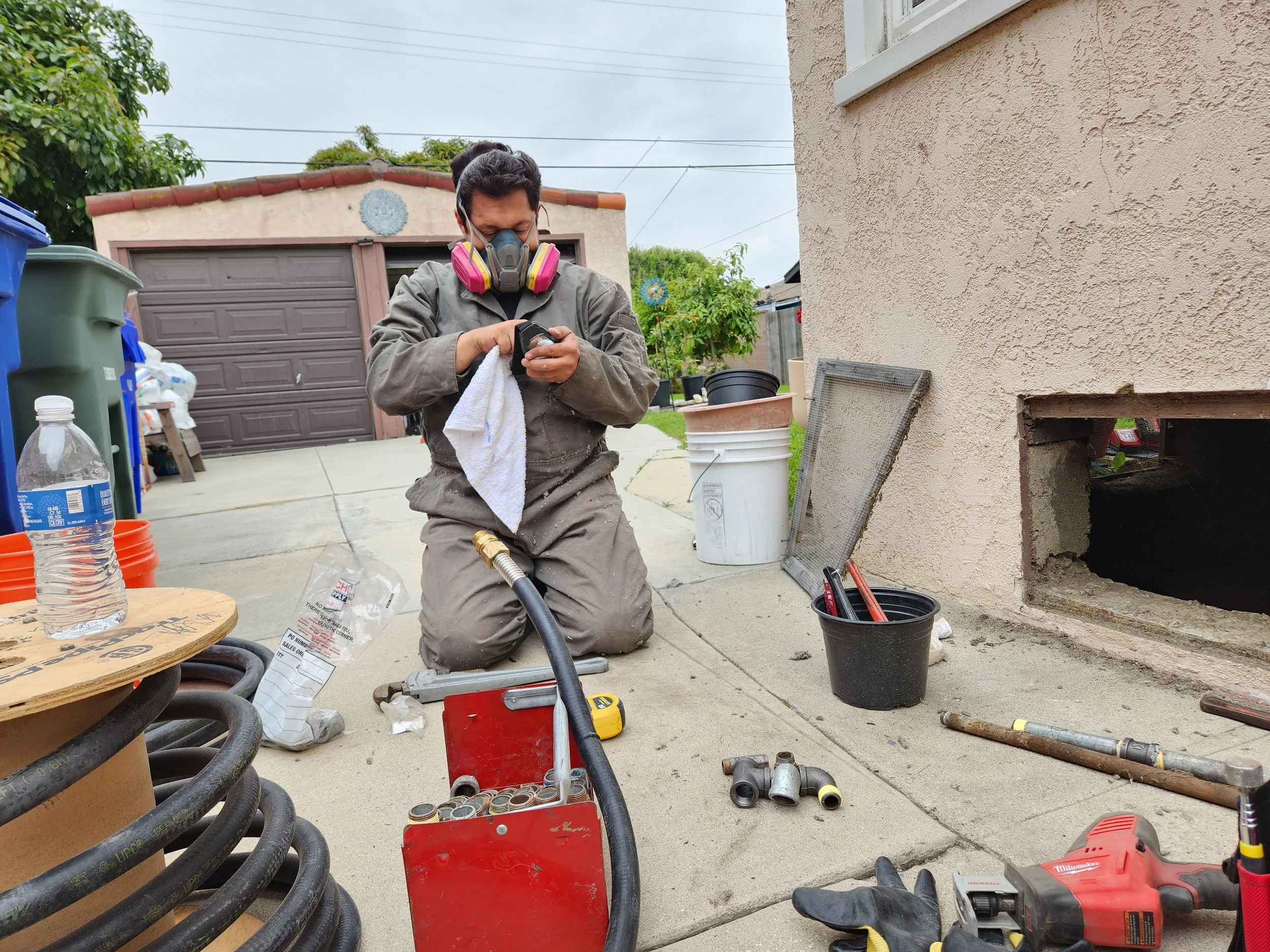
We offer a range of services to meet the needs of every client. Have something else in mind? We'd be happy to work with you to create a custom quote.
-
Toilet Repair & Installation
Shower & Tub Installation
Faucet Installation & Repair
Garbage Disposal Repair & Installation
Outdoor Spigot & Hose Bib
Plumbing fixtures are the devices in a building that deliver and drain water for everyday uses. They connect to a plumbing system and include the elements people interact with directly. Common examples:
Faucets (taps): deliver hot and/or cold water at sinks, bathtubs, and showers.
Sinks: basin fixtures for kitchens, bathrooms, laundry rooms, and utility areas.
Toilets: fixtures for human waste disposal that flush waste into the sewer or septic system.
Bathtubs: fixtures for bathing that hold and drain water.
Showers and showerheads: fixtures that supply a controlled spray of water for bathing.
Bidets: fixtures for personal hygiene that spray water.
Urinals: male urination fixtures typically found in commercial restrooms.
Drinking fountains and water coolers: provide potable water for drinking.
Floor drains and trench drains (in some contexts considered fixtures): collect and remove standing water from floors.
Key characteristics and considerations:
Supply and drainage: Fixtures have inlet connections for potable water and outlet connections to the drain/waste system. Proper venting and trap installation are required to prevent sewer gas entry.
Materials and finishes: Common materials include porcelain, vitreous china, stainless steel, cast iron, brass, and various plastics. Finishes affect durability and appearance (e.g., chrome, brushed nickel).
Standardization and codes: Fixtures must meet plumbing codes and standards for performance, water efficiency, and safety (e.g., flow rates, flushing volumes, backflow prevention).
Installation types: Wall-mounted, drop-in, under-mount, pedestal, or floor-mounted options exist depending on design and structural needs.
Water efficiency: Many modern fixtures incorporate low-flow designs, aerators, or dual-flush mechanisms to reduce water use and meet efficiency regulations.
Understanding fixtures helps when planning renovations, diagnosing problems (leaks, slow drains, clogs, running toilets), and selecting replacements that comply with code and water-use goals.
-
Whole House Repiping
Water Line Repair & Replacement
Pressure Reducing Valve
Pipes and water lines are the components of a plumbing system that transport water to, through, and away from buildings. Their primary purposes include:
Delivering potable (drinking) water: Pipes bring clean, treated water from the municipal supply or a private well into a building and distribute it to fixtures like faucets, showers, toilets, and appliances (dishwashers, washing machines).
Supplying hot water: Pipes carry cold water to a water heater and then distribute heated water to fixtures that require it.
Removing wastewater and sewage: Drain pipes and sewer lines carry used water and waste away from fixtures to the municipal sewer system or a septic system.
Relieving pressure and venting: Vent pipes allow sewer gases to escape and help maintain proper air pressure in drains so wastewater flows smoothly and traps (P-traps) retain water to block sewer odors.
Supplying irrigation and outdoor uses: Water lines supply outdoor faucets, irrigation systems, pools, and other exterior water needs.
Fire protection: Dedicated pipes and lines (such as those connected to fire sprinklers or fire hydrants) supply water specifically for fire suppression.
Enabling pressure regulation and metering: Pipes connect to meters, backflow preventers, pressure-reducing valves, and other devices that measure, control, and protect the water supply.
Materials vary by use: copper, PVC, CPVC, PEX, galvanized steel, and cast iron are common, chosen based on pressure, temperature, corrosion resistance, local code, and intended lifespan. Proper installation, insulation, and maintenance are essential to prevent leaks, freeze damage, contamination, and blockages.
-
Drain Cleaning
Hydro Jetting
Drain services are plumbing tasks focused on keeping residential or commercial drain lines clear, functioning, and free of damage. These services address problems like slow drains, clogs, foul odors, backups, and leaks, and they include inspection, cleaning, repair, and replacement of drain pipes and related components.
Common drain services
Drain cleaning: Removing hair, grease, soap scum, mineral buildup, organic matter, and other debris using mechanical methods (snakes/augers), hydro-jetting (high-pressure water), or chemical treatments when appropriate.
Clog removal: Locating and clearing blockages in sinks, tubs, showers, floor drains, toilets, and main sewer lines.
Drain inspection: Using a video camera to inspect the interior of drain and sewer pipes to find cracks, tree root intrusion, offsets, corrosion, or the exact location and nature of a clog.
Sewer line repair and replacement: Repairing damaged sewer mains using spot repairs, pipe lining (cured-in-place pipe), or full pipe replacement when necessary.
Root removal and root treatment: Mechanically cutting out tree roots that intrude into pipes and applying treatments or recommending solutions to prevent recurrence.
Grease trap and kitchen drain services: Cleaning and maintaining grease traps and commercial kitchen drains to prevent buildup and compliance issues.
Preventive maintenance: Scheduled cleaning and inspection to reduce the risk of backups and extend pipe life.
Emergency drain service:
Drain services are plumbing tasks focused on keeping residential or commercial drain lines clear, functioning, and free of damage. These services address problems like slow drains, clogs, foul odors, backups, and leaks, and they include inspection, cleaning, repair, and replacement of drain pipes and related components.
Common drain services
Drain cleaning: Removing hair, grease, soap scum, mineral buildup, organic matter, and other debris using mechanical methods (snakes/augers), hydro-jetting (high-pressure water), or chemical treatments when appropriate.
Clog removal: Locating and clearing blockages in sinks, tubs, showers, floor drains, toilets, and main sewer lines.
Drain inspection: Using a video camera to inspect the interior of drain and sewer pipes to find cracks, tree root intrusion, offsets, corrosion, or the exact location and nature of a clog.
Sewer line repair and replacement: Repairing damaged sewer mains using spot repairs, pipe lining (cured-in-place pipe), or full pipe replacement when necessary.
Root removal and root treatment: Mechanically cutting out tree roots that intrude into pipes and applying treatments or recommending solutions to prevent recurrence.
Grease trap and kitchen drain services: Cleaning and maintaining grease traps and commercial kitchen drains to prevent buildup and compliance issues.
Preventive maintenance: Scheduled cleaning and inspection to reduce the risk of backups and extend pipe life.
Emergency drain service: Rapid response for backups, major clogs, or sewage overflows that could cause property damage or health hazards.
Signs you need drain services
Slow draining sinks, tubs, or showers
Recurrent or
Drain services are plumbing tasks focused on keeping residential or commercial drain lines clear, functioning, and free of damage. These services address problems like slow drains, clogs, foul odors, backups, and leaks, and they include inspection, cleaning, repair, and replacement of drain pipes and related components.
Common drain services
Drain cleaning: Removing hair, grease, soap scum, mineral buildup, organic matter, and other debris using mechanical methods (snakes/augers), hydro-jetting (high-pressure water), or chemical treatments when appropriate.
Clog removal: Locating and clearing blockages in sinks, tubs, showers, floor drains, toilets, and main sewer lines.
Drain inspection: Using a video camera to inspect the interior of drain and sewer pipes to find cracks, tree root intrusion, offsets, corrosion, or the exact location and nature of a clog.
Sewer line repair and replacement: Repairing damaged sewer mains using spot repairs, pipe lining (cured-in-place pipe), or full pipe replacement when necessary.
Root removal and root treatment: Mechanically cutting out tree roots that intrude into pipes and applying treatments or recommending solutions to prevent recurrence.
Grease trap and kitchen drain services: Cleaning and maintaining grease traps and commercial kitchen drains to prevent buildup and compliance issues.
Preventive maintenance: Scheduled cleaning and inspection to reduce the risk of backups and extend pipe life.
Emergency drain service: Rapid response for backups, major clogs, or sewage overflows that could cause property damage or health hazards.
Signs you need drain services
Slow draining sinks, tubs, or showers
Recurrent or multiple clogs
Gurgling sounds from drains or toilets
Foul or sewage-like odors indoors
Water backing up from floor drains, showers, or toilets
Wet spots or sinkholes in the yard near sewer lines
Unusually lush patches of grass over the sewer line (can indicate a leak)
Typical process during a service visit
Assessment and diagnosis: A plumber asks about symptoms and inspects fixtures and access points.
Camera inspection (if needed): A sewer camera identifies the problem’s location and cause
Drain services are plumbing tasks focused on keeping residential or commercial drain lines clear, functioning, and free of damage. These services address problems like slow drains, clogs, foul odors, backups, and leaks, and they include inspection, cleaning, repair, and replacement of drain pipes and related components.
Common drain services
Drain cleaning: Removing hair, grease, soap scum, mineral buildup, organic matter, and other debris using mechanical methods (snakes/augers), hydro-jetting (high-pressure water), or chemical treatments when appropriate.
Clog removal: Locating and clearing blockages in sinks, tubs, showers, floor drains, toilets, and main sewer lines.
Drain inspection: Using a video camera to inspect the interior of drain and sewer pipes to find cracks, tree root intrusion, offsets, corrosion, or the exact location and nature of a clog.
Sewer line repair and replacement: Repairing damaged sewer mains using spot repairs, pipe lining (cured-in-place pipe), or full pipe replacement when necessary.
Root removal and root treatment: Mechanically cutting out tree roots that intrude into pipes and applying treatments or recommending solutions to prevent recurrence.
Grease trap and kitchen drain services: Cleaning and maintaining grease traps and commercial kitchen drains to prevent buildup and compliance issues.
Preventive maintenance: Scheduled cleaning and inspection to reduce the risk of backups and extend pipe life.
Emergency drain service: Rapid response for backups, major clogs, or sewage overflows that could cause property damage or health hazards.
Signs you need drain services
Slow draining sinks, tubs, or showers
Recurrent or multiple clogs
Gurgling sounds from drains or toilets
Foul or sewage-like odors indoors
Water backing up from floor drains, showers, or toilets
Wet spots or sinkholes in the yard near sewer lines
Unusually lush patches of grass over the sewer line (can indicate a leak)
Typical process during a service visit
Assessment and diagnosis: A plumber asks about symptoms and inspects fixtures and access points.
Camera inspection (if needed): A sewer camera identifies the problem’s location and cause.
Cleaning or repair: The plumber clears clogs with snaking or hydro-jetting, performs repairs (patches, lining, or replacement), and removes roots if present.
Drain services are plumbing tasks focused on keeping residential or commercial drain lines clear, functioning, and free of damage. These services address problems like slow drains, clogs, foul odors, backups, and leaks, and they include inspection, cleaning, repair, and replacement of drain pipes and related components.
Common drain services
Drain cleaning: Removing hair, grease, soap scum, mineral buildup, organic matter, and other debris using mechanical methods (snakes/augers), hydro-jetting (high-pressure water), or chemical treatments when appropriate.
Clog removal: Locating and clearing blockages in sinks, tubs, showers, floor drains, toilets, and main sewer lines.
Drain inspection: Using a video camera to inspect the interior of drain and sewer pipes to find cracks, tree root intrusion, offsets, corrosion, or the exact location and nature of a clog.
Sewer line repair and replacement: Repairing damaged sewer mains using spot repairs, pipe lining (cured-in-place pipe), or full pipe replacement when necessary.
Root removal and root treatment: Mechanically cutting out tree roots that intrude into pipes and applying treatments or recommending solutions to prevent recurrence.
Grease trap and kitchen drain services: Cleaning and maintaining grease traps and commercial kitchen drains to prevent buildup and compliance issues.
Preventive maintenance: Scheduled cleaning and inspection to reduce the risk of backups and extend pipe life.
Emergency drain service: Rapid response for backups, major clogs, or sewage overflows that could cause property damage or health hazards.
Signs you need drain services
Slow draining sinks, tubs, or showers
Recurrent or multiple clogs
Gurgling sounds from drains or toilets
Foul or sewage-like odors indoors
Water backing up from floor drains, showers, or toilets
Wet spots or sinkholes in the yard near sewer lines
Unusually lush patches of grass over the sewer line (can indicate a leak)
Typical process during a service visit
Assessment and diagnosis: A plumber asks about symptoms and inspects fixtures and access points.
Camera inspection (if needed): A sewer camera identifies the problem’s location and cause.
Cleaning or repair: The plumber clears clogs with snaking or hydro-jetting, performs repairs (patches, lining, or replacement), and removes roots if present.
Testing and cleanup: Pipes are tested for proper flow; work area is cleaned and remaining debris removed.
Recommendations and preventive advice: The plumber recommends fixes, replacement options, and maintenance tips to avoid future problems.
When to call a professional
Call a licensed plumber when you experience persistent or recurring clogs, sewage backups, multiple fixtures affected at once, visible pipe damage, yard sinkholes, or when a camera inspection or repair is required. Avoid relying on harsh chemical drain cleaners frequently; they can damage pipes and may not resolve deeper problems.
Cost considerations
Costs vary by the service needed: simple snaking is relatively inexpensive, hydro-jetting and camera inspections are mid-range, and sewer line repair or replacement is the most costly. Factors affecting cost include pipe material, length and accessibility of the sewer line, extent of damage, and whether trenchless techniques are used.
Preventive tips
Use drain screens to catch hair and debris.
Don’t pour grease or heavy food solids down kitchen drains.
Run hot water briefly after dishwashing to flush oils.
Schedule routine inspections and cleanings, especially for older homes or properties with mature trees.
Drain services protect plumbing functionality, prevent health hazards from sewage backups, and help avoid expensive emergency repairs by addressing problems early.
-
Sewer Line Repair & Replacement
Camera Inspection
Main Line Installation & Cleaning
Sewer line services are professional plumbing services focused on inspecting, repairing, replacing, and maintaining the underground pipes that carry wastewater away from a building to the municipal sewer or a septic system. These services address issues that affect flow, safety, and sanitation, and they include both preventive maintenance and emergency repairs.
Common sewer line services
Sewer line inspection: Uses cameras and locating tools to assess pipe condition, identify blockages, cracks, root intrusions, corrosion, offsets, and joint failures. A video inspection provides a visual record and helps determine the appropriate repair method.
Clog removal and hydro-jetting: Removes grease, scale, roots, and other debris. Mechanical snaking handles simple blockages; hydro-jetting uses high-pressure water to clean the entire pipe interior for more thorough removal.
Pipe repair and patching: Localized repairs fix limited damage without full replacement. Options include cured-in-place pipe (CIPP) lining, sectional repairs, or epoxy patches to seal cracks and leaks.
Trenchless sewer repair and replacement: Methods such as pipe lining and pipe bursting allow repair or replacement with minimal digging. Trenchless approaches reduce landscape disruption, lower restoration costs, and speed up the job.
Full sewer line replacement: Required when pipes are severely damaged, collapsed, or too degraded for trenchless repair. Replacement involves excavation and installation of new piping materials (PVC, HDPE, or other durable options).
Root removal and prevention: Mechanical cutting or chemical treatments remove roots; lining or barrier methods prevent repeated intrusion.
Sewer cleaning and maintenance plans: Scheduled cleaning, inspections, and preventive measures to reduce the chance of blockages, backups, and costly emergency repairs.
Emergency sewer services: Immediate response for raw sewage backups, major leaks, or collapsing lines to protect health and property.
Signs you may need sewer line services
Recurrent or multiple drains backing up simultaneously (toilets, tubs, sinks)
Slow drainage throughout the property
Gurgling noises in drains or toilets
Foul sewage odors around drains or yard
Lush, soggy, or sunken areas in the yard over the sewer line
Unexplained increases in water bills or raw sewage visible in fixtures
Why professional sewer services matter
Accurate diagnosis: Camera inspections and trained technicians identify the real cause rather than treating symptoms.
Long-term solutions: Proper repair techniques and material choices reduce repeat problems and extend pipe life.
Health and safety: Rapid response and correct remediation limit exposure to sewage and contamination risks.
Cost control: Preventive maintenance, trenchless options, and accurate assessments help avoid unnecessary full replacements and repeated service calls.
Compliance: Professionals ensure repairs meet local plumbing codes and standards.
Typical timeline and costs
Inspection: Usually completed within 1–2 hours; modest flat fee or applied to repair cost if work proceeds.
Cleaning/hydro-jetting: Often same-day service; duration varies with severity.
Trenchless repair (CIPP lining): Typically completed in 1–2 days.
Full replacement: Several days to a week or more depending on accessibility and scope.
Costs vary widely by location, pipe length, damage extent, access, and chosen method. Obtain a written estimate and inspection report before work begins.
Choosing a provider
Look for licensed, insured plumbers with specific experience in sewer services.
Ask for camera inspection video and a clear explanation of options.
Request references, warranties on workmanship and materials, and a written estimate detailing scope and cleanup responsibilities.
Sewer line services protect property value, health, and plumbing system function by addressing underground pipe problems with appropriate diagnostic tools and repair methods. Regular inspections and timely action reduce the risk of costly emergencies.
-
Water Softener Installation
Water Filtration Systems
Water quality services are professional assessments, treatments, and ongoing maintenance aimed at ensuring the safety, taste, and usability of water for residential, commercial, and industrial customers. These services identify contaminants, correct problems, and implement systems to meet health standards and performance needs.
Key components of water quality services
Problem diagnosis
Identifying sources and causes: aging pipes, well construction issues, surface runoff, groundwater contamination, corrosion
Site inspection: plumbing, pressure, water heater, and treatment equipment evaluation
Water treatment selection and installation
Point-of-entry systems (whole-house): sediment filters, water softeners, whole-house carbon filtration, chlorination/dechlorination systems, ultraviolet (UV) disinfection
Point-of-use systems (specific taps): under-sink reverse osmosis (RO), activated carbon filters, filtered faucets
Specialty systems: iron/manganese removal, manganese greensand, ion exchange, chemical feed systems, oxidation/filtration, distillation
System sizing, placement, and integration with existing plumbing
Remediation and corrective work
Flushing and disinfection of plumbing and distribution systems
Replacing or repairing contaminated wells, casing, or seals
Corrosion control and pipe replacement recommendations
Ongoing monitoring plans after remediation
Maintenance, monitoring, and service plans
Routine filter changes,
-
Water Heater Repair & Replacement
Water Heater Installation
Tankless Water Heaters
Water heater services refer to the range of maintenance, repair, replacement, and installation tasks performed to keep residential or commercial water heating systems safe, efficient, and reliable. Services vary depending on the type of water heater (tank, tankless, heat pump, solar, or hybrid) and the specific issue or routine need.
Common water heater services
Installation
Selecting the right unit size and type for the property and hot water demand
Proper siting, venting, gas or electrical connections, and compliance with local codes
Removal and disposal of old equipment
Routine maintenance
Flushing the tank to remove sediment buildup (for tank models)
Inspecting and testing the temperature-pressure (T&P) relief valve
Checking and replacing anode rods to prevent corrosion
Inspecting gas burners, pilot assemblies, and venting (gas units)
Cleaning or descaling heat exchangers and components (tankless and heat pump models)
Verifying thermostat settings and performance
Checking for leaks, corrosion, or signs of wear
Repairs
Fixing leaks in tanks, fittings, or connections
Replacing failed heating elements, thermostats, valves, or gas control valves
Repairing or replacing ignitors, thermocouples, or burners for gas heaters
Addressing water pressure and flow issues
Repairing heat pump components, compressors, or refrigerant leaks (specialized)
Replacement and upgrades
Recommending replacement when repairs are no longer cost-effective
Upgrading to higher-efficiency models, tankless systems, or properly sized units
Installing expansion tanks, pressure-reducing valves, or water softeners to extend equipment life
Diagnostic services
Evaluating performance problems such as insufficient hot water, noisy operation, frequent cycling, or discolored water
Performing combustion analysis for gas-fired units to ensure safe and efficient operation
Leak detection and assessing structural integrity of tanks
When to schedule water heater services
Annually for routine maintenance on most systems
Immediately if you notice leaks, no hot water, strange noises, discolored water, or gas odors
Before major seasonal changes if the system serves critical needs
When buying or selling a home, or when upgrading household hot water demand
Benefits of regular water heater service
Improved efficiency and lower energy bills
Extended equipment lifespan
Fewer unexpected breakdowns and emergency repairs
Safer operation, especially for gas-fired units
Better water quality and reliable hot water supply
Special considerations
Tankless, heat pump, and solar water heaters often require manufacturer-recommended service procedures and may need technicians with specific training.
Some repairs or replacements may require permits or code-compliant installations.
Water quality (hard water) affects maintenance needs and may necessitate water treatment to prevent premature failure.
If you need a service type identified or an estimate for inspection, repair, or replacement, provide your water heater type, age, symptoms, and location, and a qualified technician can
Water heater services refer to the range of maintenance, repair, replacement, and installation tasks performed to keep residential or commercial water heating systems safe, efficient, and reliable. Services vary depending on the type of water heater (tank, tankless, heat pump, solar, or hybrid) and the specific issue or routine need.
Common water heater services
Installation
Selecting the right unit size and type for the property and hot water demand
Proper siting, venting, gas or electrical connections, and compliance with local codes
Removal and disposal of old equipment
Routine maintenance
Flushing the tank to remove sediment buildup (for tank models)
Inspecting and testing the temperature-pressure (T&P) relief valve
Checking and replacing anode rods to prevent corrosion
Inspecting gas burners, pilot assemblies, and venting (gas units)
Cleaning or descaling heat exchangers and components (tankless and heat pump models)
Verifying thermostat settings and performance
Checking for leaks, corrosion, or signs of wear
Repairs
Fixing leaks in tanks, fittings, or connections
Replacing failed heating elements, thermostats, valves, or gas control valves
Repairing or replacing ignitors, thermocouples, or burners for gas heaters
Addressing water pressure and flow issues
Repairing heat pump components, compressors, or refrigerant leaks (specialized)
Replacement and upgrades
Recommending replacement when repairs are no longer cost-effective
Upgrading to higher-efficiency models, tankless systems, or properly sized units
Installing expansion tanks, pressure-reducing valves, or water softeners to extend equipment life
Diagnostic services
Evaluating performance problems such as insufficient hot water, noisy operation, frequent cycling, or discolored water
Performing combustion analysis for gas-fired units to ensure safe and efficient operation
Leak detection and assessing structural integrity of tanks
When to schedule water heater services
Annually for routine maintenance on most systems
Immediately if you notice leaks, no hot water, strange noises, discolored water, or gas odors
Before major seasonal changes if the system serves critical needs
When buying or selling a home, or when upgrading household hot water demand
Benefits of regular water heater service
Improved efficiency and lower energy bills
Extended equipment lifespan
Fewer unexpected breakdowns and emergency repairs
Safer operation, especially for gas-fired units
Better water quality and reliable hot water supply
Special considerations
Tankless, heat pump, and solar water heaters often require manufacturer-recommended service procedures and may need technicians with specific training.
Some repairs or replacements may require permits or code-compliant installations.
Water quality (hard water) affects maintenance needs and may necessitate water treatment to prevent premature failure.
If you need a service type identified or an estimate for inspection, repair, or replacement, provide your water heater type, age, symptoms, and location, and a qualified technician can recommend the appropriate next steps.
-
Gas Leak Detection & Repair
Gas Line Installation
Earthquake Gas Shutoff Valve
A gas line service refers to any work performed on the piping system that delivers natural gas or propane from the utility meter or tank to appliances and fixtures inside or on a property. Services can include installation, repair, replacement, inspection, testing, maintenance, and safety upgrades. Gas line work should always be handled by trained, licensed professionals because of the risks involved (leaks, fire, explosion, carbon monoxide exposure).
Common types of gas line services
New gas line installation: Running supply lines from the utility meter or regulator to new appliances (stoves, water heaters, furnaces, fireplaces, generators, outdoor grills). Includes sizing, routing, anchoring, and connecting to appliances per code.
Gas line replacement or repiping: Replacing old, corroded, or unsafe piping (e.g., black iron, galvanized iron, or outdated materials) with approved materials such as black steel, flexible CSST, or approved polyethylene for underground service.
Repair of leaks and damage: Locating and repairing leaks, corrosion, physical damage, or failed fittings. This includes pressure testing and leak detection using electronic gas detectors or soapy water tests.
Appliance hookups and conversions: Installing or relocating appliance gas connections, converting appliances between natural gas and propane (or vice versa), and installing quick-disconnects where required.
Underground service line work: Installing, repairing, or replacing underground service lines from the meter to the building. This typically includes excavation, proper bedding and backfill, and marking to meet local code and utility requirements.
Testing and safety inspections: Performing pressure tests, line purging, and visual inspections to verify integrity and compliance with local building codes and utility standards. Safety checks often include verifying proper ventilation and combustion for gas appliances.
Emergency gas services: Rapid response for suspected leaks, odors of gas, or gas-related emergencies. Professionals can isolate the line, shut off gas, ventilate the area, and make temporary or permanent repairs.
Code upgrades and safety improvements: Installing excess-flow valves, seismic shutoff valves, backflow prevention where needed, or upgrading piping to meet current building
A gas line service refers to any work performed on the piping system that delivers natural gas or propane from the utility meter or tank to appliances and fixtures inside or on a property. Services can include installation, repair, replacement, inspection, testing, maintenance, and safety upgrades. Gas line work should always be handled by trained, licensed professionals because of the risks involved (leaks, fire, explosion, carbon monoxide exposure).
Common types of gas line services
New gas line installation: Running supply lines from the utility meter or regulator to new appliances (stoves, water heaters, furnaces, fireplaces, generators, outdoor grills). Includes sizing, routing, anchoring, and connecting to appliances per code.
Gas line replacement or repiping: Replacing old, corroded, or unsafe piping (e.g., black iron, galvanized iron, or outdated materials) with approved materials such as black steel, flexible CSST, or approved polyethylene for underground service.
Repair of leaks and damage: Locating and repairing leaks, corrosion, physical damage, or failed fittings. This includes pressure testing and leak detection using electronic gas detectors or soapy water tests.
Appliance hookups and conversions: Installing or relocating appliance gas connections, converting appliances between natural gas and propane (or vice versa), and installing quick-disconnects where required.
Underground service line work: Installing, repairing, or replacing underground service lines from the meter to the building. This typically includes excavation, proper bedding and backfill, and marking to meet local code and utility requirements.
Testing and safety inspections: Performing pressure tests, line purging, and visual inspections to verify integrity and compliance with local building codes and utility standards. Safety checks often include verifying proper ventilation and combustion for gas appliances.
Emergency gas services: Rapid response for suspected leaks, odors of gas, or gas-related emergencies. Professionals can isolate the line, shut off gas, ventilate the area, and make temporary or permanent repairs.
Code upgrades and safety improvements: Installing excess-flow valves, seismic shutoff valves, backflow prevention where needed, or upgrading piping to meet current building codes and insurance requirements.
Key considerations
Licensing and insurance: Gas line work typically requires a licensed plumber or HVAC technician with specific gas-certification and proper liability insurance.
Permits and inspections: Most jurisdictions require permits and final inspections for new gas line installations, replacements, and major repairs.
Material selection: Approved materials vary by use (indoor vs. underground) and local code. Proper fittings, supports, and protective coatings are required.
Pressure testing and leak-checking: After work is completed, lines must be pressure-tested to industry standards and checked for leaks before being put into service.
Safety protocols: Technicians follow strict safety procedures: shut-off of gas supply, purging lines safely, using approved tools, and ensuring adequate ventilation and ignition source control.
When to call a professional
You smell gas (rotten egg odor) or suspect a leak.
You’re installing new gas appliances or moving existing ones.
You hear hissing from gas lines or notice dead vegetation near underground lines.
You’re buying or renovating a home and need line inspections or upgrades.
You need a code-compliant installation or permits.
A properly performed gas line service ensures safe, reliable gas delivery to your appliances, reduces fire and carbon monoxide risks, and keeps your system compliant with local codes.
A Father’s Legacy

ESB plumbing is a Los Angeles based small business established in 2020. This company is a is continuation of a father’s hard-work, wisdom, and drive that kept alive by his son.
Gus the Plumber began plumbing in 1987 and became one of the “best kept secrets” in handyman and plumbing work on the west-side of Los Angeles. He took pride in planning and identifying complex issues. Gus passed down his wisdom and expertise to his son Eldrick who began training with his father at the age of 13.
Eldrick has now accumulated more than two decades worth of experience. Him and his team of expert technicians can install and repair anything plumbing related from the street to the roof of a building.
Gus retired in 2020, and Eldrick has since kept the dream alive.—it’s a reflection of what we believe in. We’re here to create work that matters, led by a shared commitment to quality and care.
If you're interested in working with us, complete the form with a few details about your project. We'll review your message and get back to you within 48 hours.